
Opening
The Writers Room
A working session where a story gets broken with other people. It runs online and at 3 Mills, it is open, and you can come with nothing written down.
What a writers room actually is
Read this if you have never been in one.
A writers room is where a group of people break a story together before anybody writes a script. Somebody puts an idea on the table. Everybody else asks what it is really about, who wants what, what stands in the way, and what it would take to shoot. Someone argues the opposite case on purpose. The idea is pulled apart and put back together in front of the person who brought it.
That sounds brutal and it is the opposite. Nobody in the room is competing with you. Its one job is to make the idea work, and you leave with it better than you brought it.
It is also the fastest way to learn structure, the part of writing that does not come from reading scripts. Working on somebody else's idea teaches you as much as working on your own.
How ours runs
An open working session. No application, no sample pages, no fee.
Ours is not a staffed room on a returning series. You register, you turn up, you work. Nobody reads pages aloud to a silent room unless they want to.
Sessions run online and in person at 3 Mills in the same week, so someone in Bradford or Glasgow, or someone with no childcare on a Saturday, is in the room on the same terms as someone who lives down the road. A session can also connect to rooms at other studios, including Pinewood.
A session lead runs the room, with a working practitioner sitting in. You leave with the notes on your idea in writing. Opening. Dates are published as each session is scheduled.
What happens in a session
Open orientation
How a room runs, and how to say your idea out loud without a script in front of you. Come to this one first.
Story circles
Small groups, one idea at a time. You pitch it, the group works it, you leave with the notes.
Craft sessions
A working writer, director or producer takes one thing properly: what a character wants, how an act is built, how to write a scene that can be afforded.
Industry reality sessions
Someone who commissions, produces or distributes explains what happens to a project after it leaves your hands, and what stops one.
Pitch practice
You pitch to people who are not being polite, on the clock, and do it again until it lands.
Producer matching
A project and a producer who wants to make it, put in the same conversation.
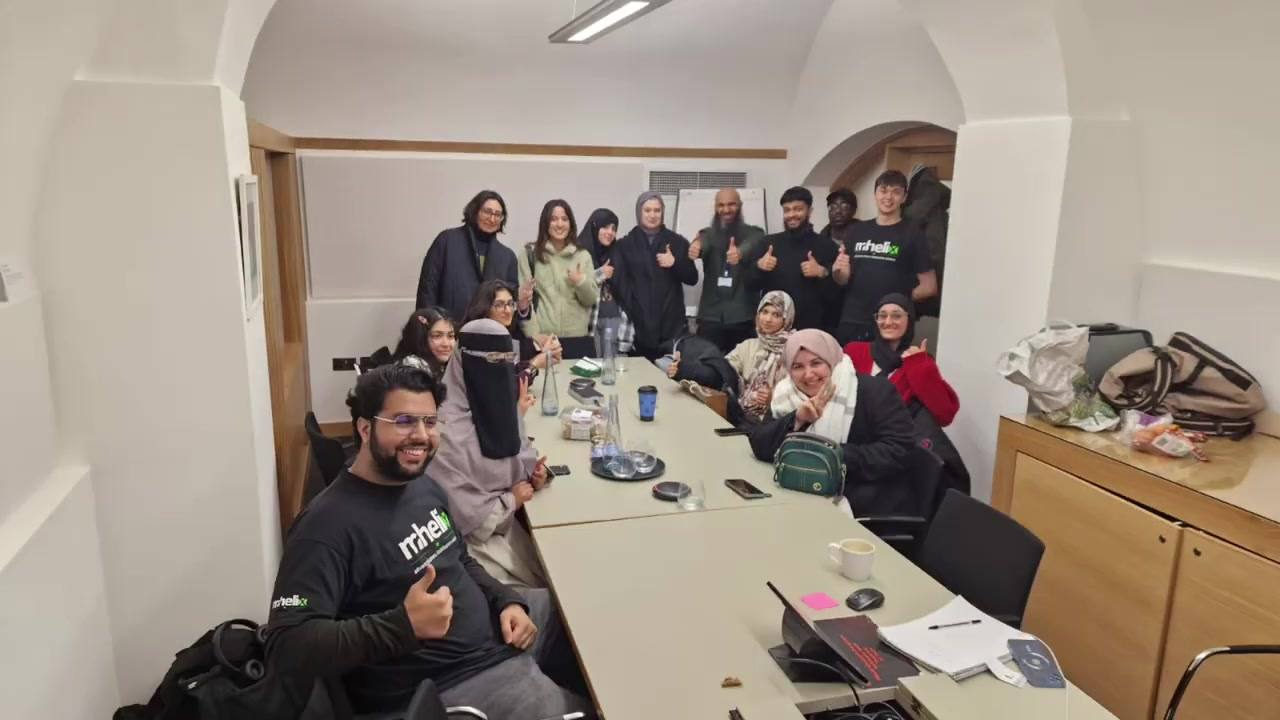
The three things people ask before they come
The code of conduct. Everyone agrees to it before a first session. You argue with the idea and never with the person, and nobody gets talked over. The session lead holds that line out loud. Prayer, food and access needs are planned into the schedule, as they are on a shooting day.
Confidentiality. What is said in the room stays in the room. Sessions are not recorded. Everyone taking part agrees to that in writing beforehand, including the practitioners sitting in.
Who owns an idea. The idea you walk in with is yours, and it stays yours when somebody in the room improves a scene in it. Taking part changes nothing about that. If a project goes further and more is needed, it is put in writing and agreed with you before work starts, with time to take it away and get advice. Terms are published when the first round opens.
Where the Lab runs
The Story-to-Screen Lab is a joint programme with Futures in Film CIC, and it is co-run across 3 Mills Studios and Pinewood Studios.
Sessions run online as well, and in other spaces we can reach, so that taking part does not depend on living near one building. Writers, filmmakers and community organisations work together across all of them.