
Charter: in development · Toolkit: opening
The Faith Charter and the toolkit
Two written things for working with faith on a production: a Charter an organisation commits to, and a toolkit a unit works from. Read them before you hire us.
The Faith Charter
What an organisation commits to, in public, in plain words.
To ask every crew member and contributor, in writing, what they need around prayer, fasting, food, dress and access; to plan for the answers in prep; and to keep the door open to people of faith at every grade.
In development. Being written with the organisations we work alongside. Published when agreed, and described as adopted by nobody until it is.
The toolkit's practice areas
The practical instrument: where a production gets it wrong, and what to do instead.
| Practice area | What the toolkit covers |
|---|---|
| Scheduling around prayer and fasting | Observance in the schedule from the first draft: where prayer sits between set-ups, where the meal falls on a fasting day, when to wrap. |
| Prayer and quiet space | What the space needs to be, who arranges it, and how it reaches the call sheet. |
| Dietary provision | A line everyone on the unit can eat from, labelled, craft and wrap meal included. |
| Dress and PPE (personal protective equipment) | Head covering, modesty and articles of faith alongside the risk assessment, the costume brief and the PPE the job requires. |
| Facilities | Changing, washing and welfare on a stage or a unit base, and who checks them. |
| Contributor care | People of faith in front of the camera: consent, the fitting room, the interview, what is agreed before the first frame. |
| Communication with communities | How a unit approaches a place of worship or a congregation, who speaks for the production, what goes in writing first. |
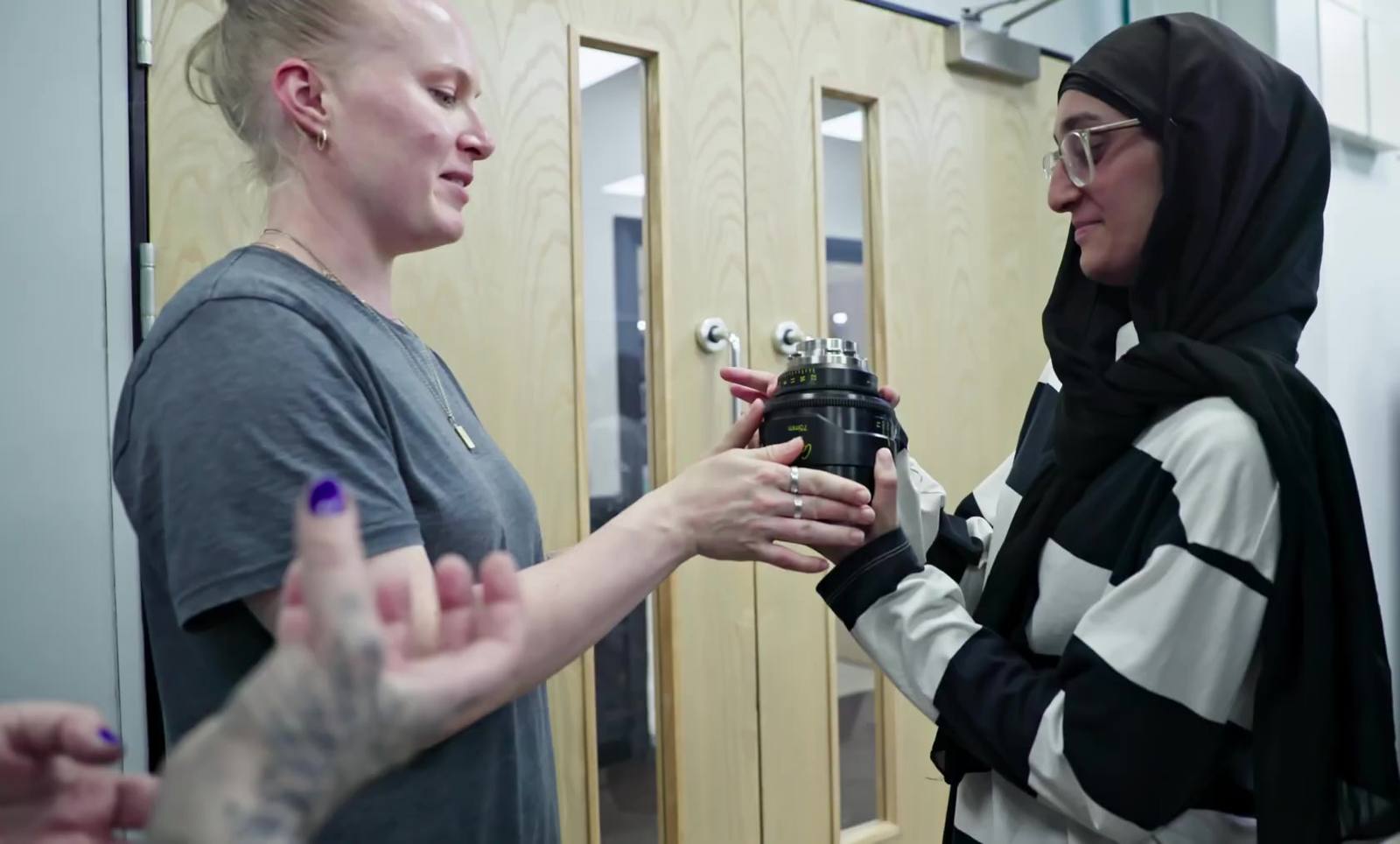
Why a production needs it
Get one of these wrong and you lose a location, a contributor or a day.
A congregation withdraws access the week before the shoot. A fasting crew member is on the floor at the wrong hour. Each is a scheduling and communication problem, and each is cheaper to solve in prep than on the day.
There is no other written instrument like it. How the work is done sets out the comparison.
How it is used, and who holds it
A working document for prep and the floor.
Opening. Being written with the organisations we work alongside; the practice in it comes from our own floor, on a unit that worked inside a place of worship during a fast and delivered. Ask and we will tell you where it stands.
It comes onto a unit as practice support: a read of your schedule, call sheets and catering in prep, and one named person on your production, not a head of department, whom crew can answer in confidence. What goes on screen stays yours.