
Running
Uniting Communities
Jewish, Christian and Muslim women on the same production. Not a dialogue event — a job of work.
Why a film set, and not a room with chairs in it
Because a unit does something a meeting cannot: it gives people a reason to need each other.
Everyone on a set holds a role and a responsibility. Nobody outranks anybody by virtue of who they are. The work only happens if people depend on each other, and there is a common thing at the end of it that belongs to all of them.
Those are the conditions researchers have spent decades identifying as the ones under which contact between groups actually changes anything. A film unit satisfies them by construction. We did not design it that way. It is simply how a set works.
The relationship is a by-product of the work. That is the point. Nobody is asked to discuss their faith with anybody. They are asked to get a day in the can.
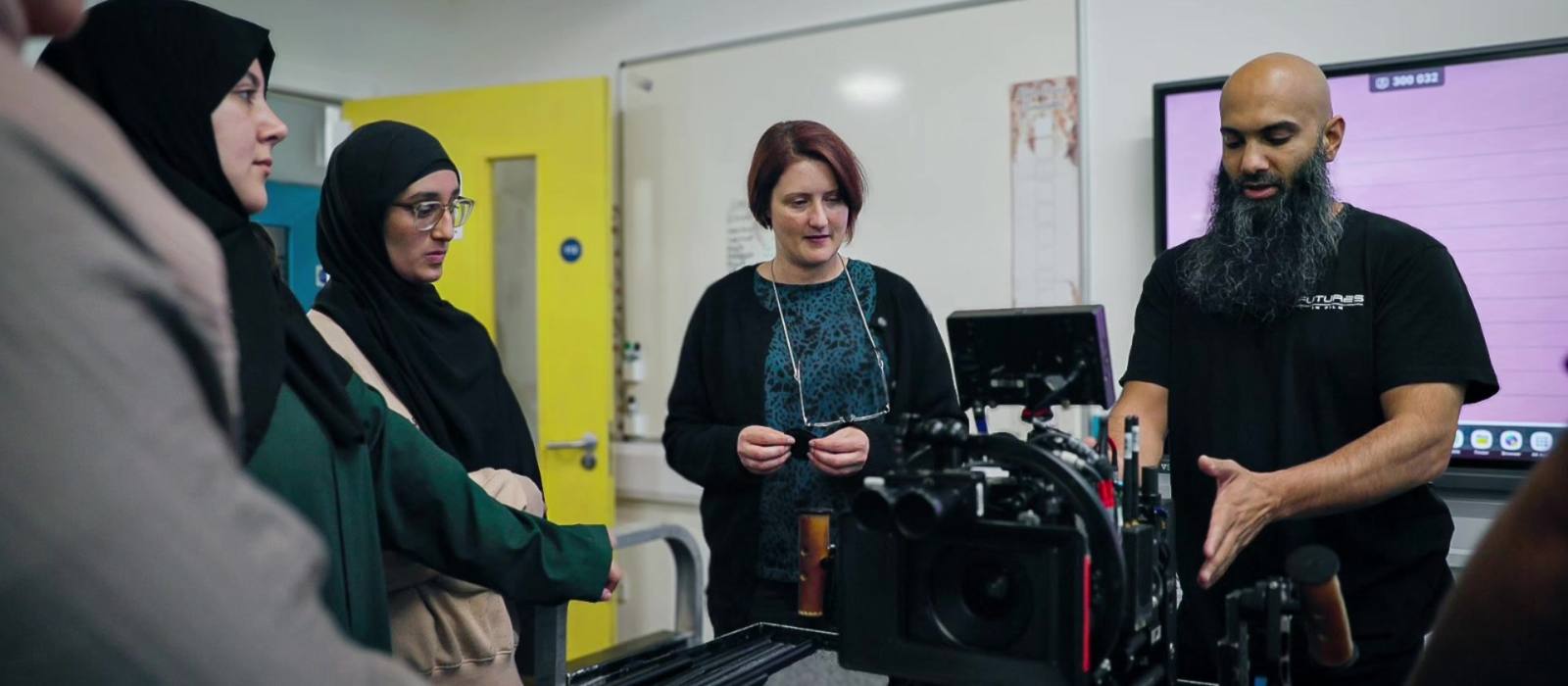
Two or three consented voices from different faith communities, on why they came and what surprised them. Shot after a wrap, not before.
To be shot. Needs written consent from each speaker.
Why it matters who holds the camera
The evidence on screen representation points one way, and it is uncomfortable. A harmful portrayal moves an audience further than a sympathetic one does. Damage travels faster than repair.
Which means the most effective thing is not another film explaining a community to an audience. It is the people that community is made of, holding the camera, making the decisions, and sitting in the edit.
What we actually do
Mixed units
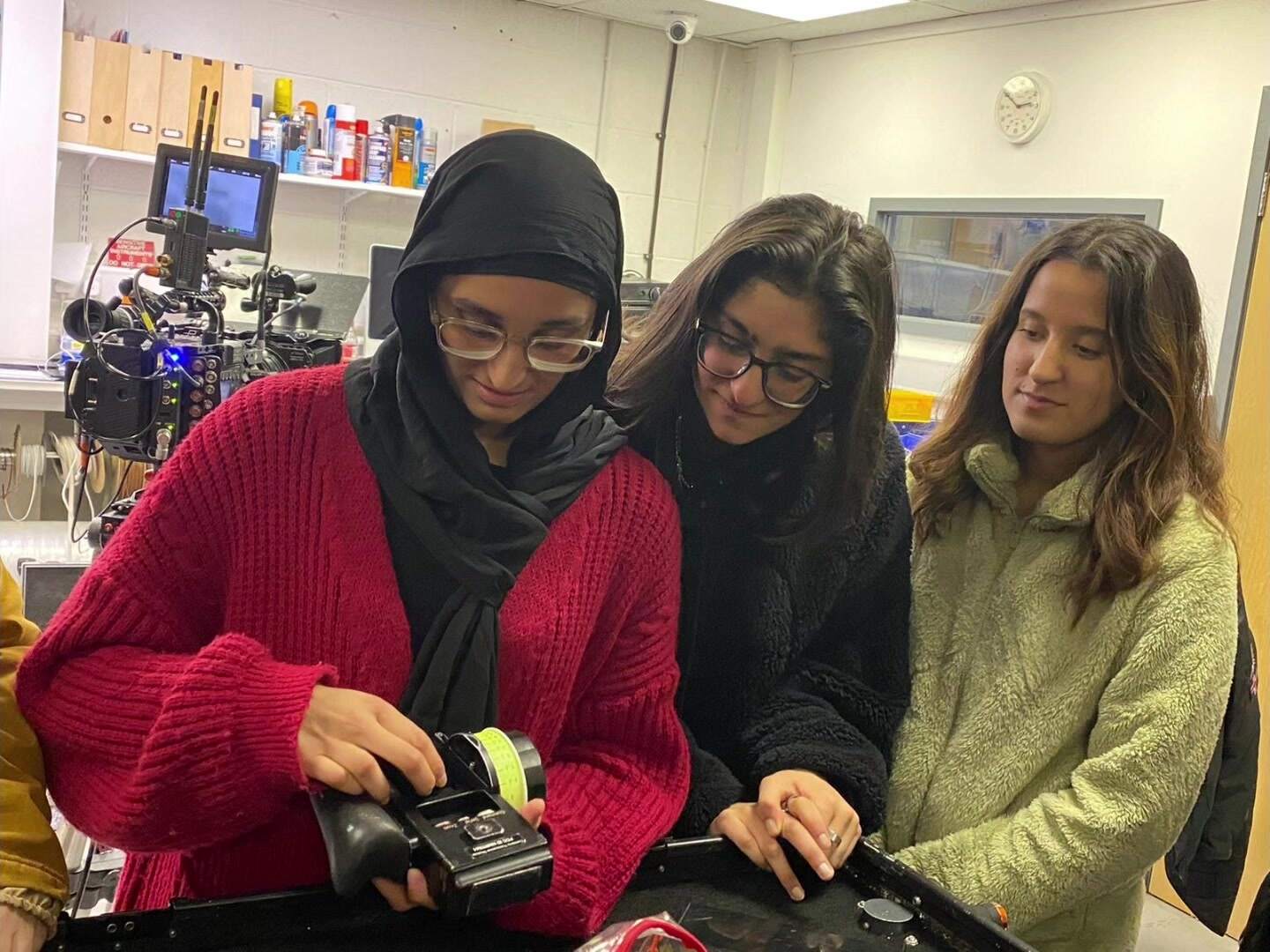
Jewish, Christian and Muslim women crewed on the same production, in real roles, on a real call sheet.
Screenings and the hour after
Where an audience meets a story rather than an argument, and says what the last film about them got wrong.
Practice written down
Scheduling around prayer and fasting. Dietary provision ordered separately and labelled. Dress and PPE (personal protective equipment) agreed before the day, not on it.
Faith leaders brought in early
Not asked for a photograph at the end. Asked what their building needs before anything is planned.
Open to no faith at all
This is an interfaith initiative and an out-of-faith one. Plenty of the best people in the room hold no religion.
Nationwide
East London is the base, not the boundary. We run where the communities are — including the North West.
The part most organisations leave out
Two things stop people meeting anyone unlike themselves, and only one of them is attitude. The other is that there is nowhere to go and no money to get there.
So the practical answer is a room and a fare. We hold a room inside a working studio. Places are fully funded, and we cover travel — because a mixed room that only draws from the nearest three streets is not a mixed room.
What we can honestly claim, and what we cannot
We can tell you the mechanism — why a production unit is a better instrument for this than a discussion group, and why the evidence supports that reasoning.
We cannot yet tell you it worked. The research in this field has barely studied adults, and almost never studied creative work. So we are measuring it properly from the first cohort, and we will publish what we find whether or not it flatters us.
If an organisation tells you this kind of work has proven, lasting, community-wide effects, ask them for the study. We would rather be the people who went and got one.
Bring your community in, or bring a story
Both start with a conversation, and neither commits you to anything.