
Opening
AI in the craft
Where these tools genuinely sit on a working unit, taught honestly. And the questions about faith, likeness and consent that nobody in this industry has answered yet.
We are for it, openly, and we would rather teach it than pretend it is not on the floor
A crew coming up now meets these tools in prep, in the edit and in the VFX conversation. Better taught by people who use them than met cold on a first job.
Opening. No course to apply for yet, no curriculum, no cohort sitting. ScreenSkills has begun accrediting training in this area, so the industry now treats it as a craft skill. When ours opens it appears here with its shape and its dates.
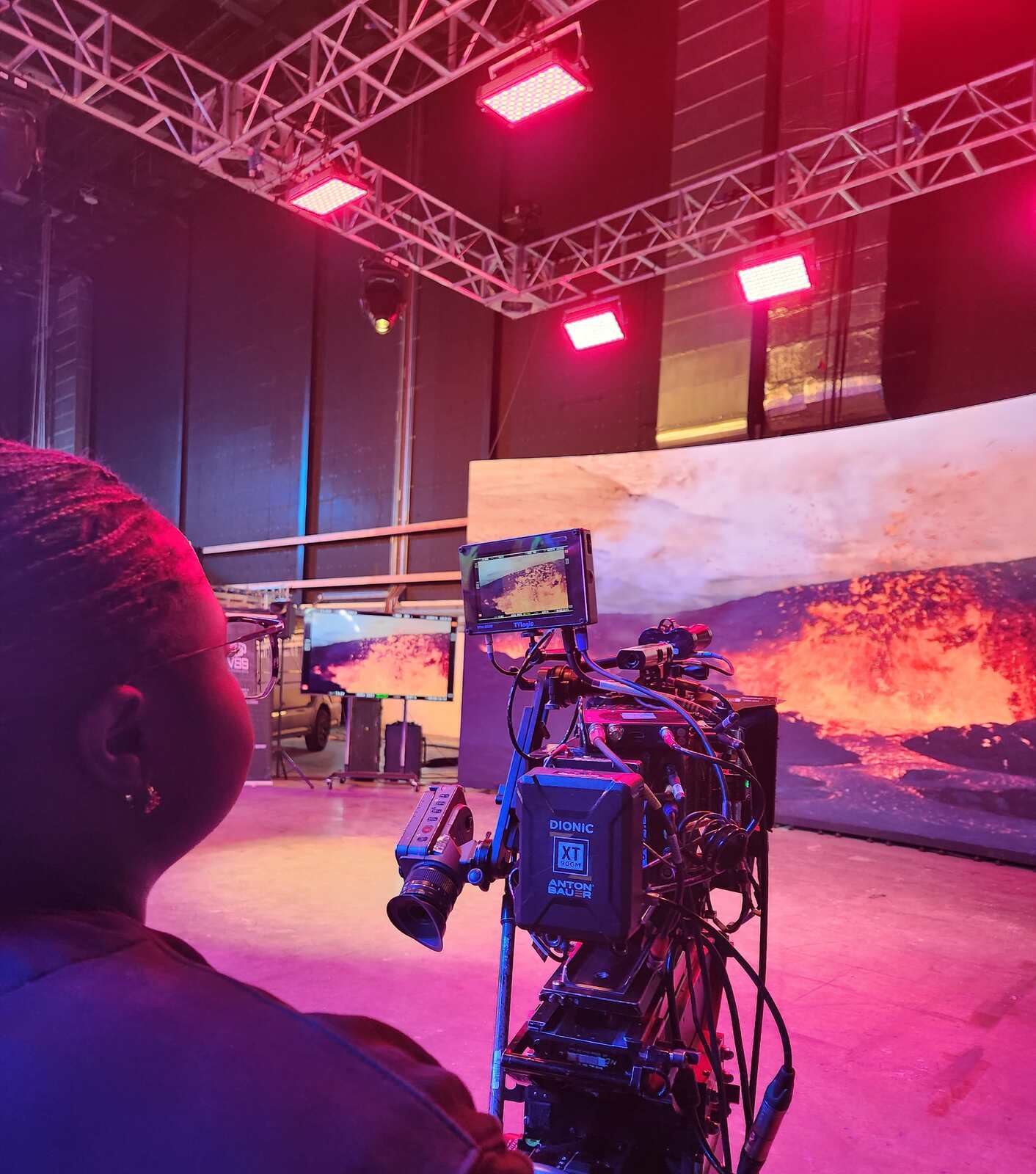
Where it earns its place, and where it does not
| On the unit | Good at | Where it fails |
|---|---|---|
| Previs and look development | An image to argue about in week one. | It does not know your lens, your stage or your budget. |
| Script breakdown | A first pass at elements, cast and locations. | It miscounts and invents. The 1st AD (first assistant director) checks every line. |
| Scheduling | Testing an order of work in prep. | No feel for a unit move, daylight, or a company before lunch. |
| Transcription and logging | Rushes made searchable. | Terminology comes back wrong, and a misheard word in a faith context is not a small error. |
| Edit assist and VFX prep | Selects, subtitles, versioning, roto, tracking prep. | It cannot tell you why a cut works, and you answer for what you deliver. |
The questions nobody is asking, which is why we are asking them
Open questions, not positions we hold. We have no answers to publish and will not manufacture any. We intend to work on them with faith communities and with the industry.
Who consents when a synthetic performer wears a real face?
A likeness can be generated, aged and made to speak. What was she told, and who holds that agreement after wrap?
Should a generative tool depict a religious figure or a sacred space, and who decides?
Traditions differ sharply and some hold it a clear prohibition. Who should a production be asking before a prompt is typed?
What should a faith community be asked before its imagery trains a model?
Footage of a congregation or a rite can become training data years later. Nobody has drafted what that permission would say.
When a contributor's face becomes data, what has she agreed to?
A release written for a documentary was not written for a model. Does consent to appear carry forward, and should it?
What this page is not
Not an accredited course, a syllabus or a standard. Nothing here has been through a cohort, and we certify nothing until it has.
If these questions are yours too, we would like to hear from you. team@screensisters.org.uk, or the contact page.
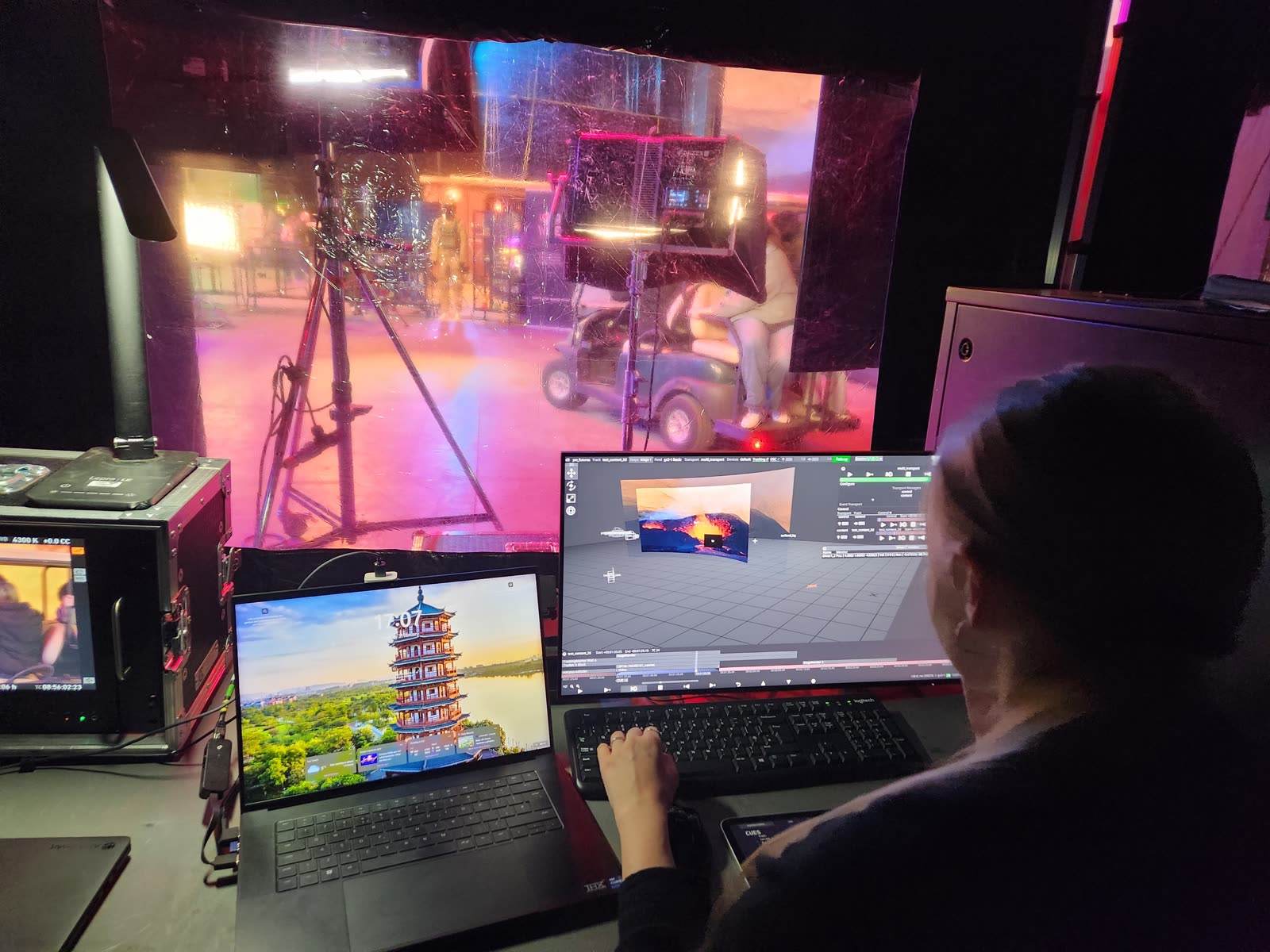
A piece to camera setting out the position and the open questions.
Founder interview material; Pinewood Futures Festival B-roll.